Unisex Names
on the Rise
Looking for a name that feels fresh but not strange? Names that suit any child are quietly rising, and the new favorites are not the ones you might expect. Logan, Avery and Carter have faded by 41 to 54 percent since 2015, while Rowan, Charlie and River have climbed into the top 125. Your baby’s name might be on this list.
See the 19 rising names
Key takeaways
Balanced names are up
Names with an even boy/girl split went from 0.6% of babies in 1985 to 1.6% in 2025.
19 names are rising
Each grew 25% or more since 2015. Rowan, Charlie and River lead in babies.
Old favorites are fading
Logan alone went from 13,774 babies in 2015 to 6,351.
A bumpy 2025
7 of the 19 risers slipped last year, so “rising” describes the decade.
What counts as a unisex name?
Some names belong to everyone. A unisex name is one that families give to both boys and girls, and here a name counts when the less common gender makes up at least 10% of the babies who get it. When the split is close to even, with neither gender above 65%, we call the name balanced.
Some of these names have always been shared. Others drifted across as fashions changed. The data shows both stories, and this page follows the ones that are moving now.
How popularity has changed
In 1985, about 3 in 100 American babies had a name shared by boys and girls. By 1995 it was more than 5 in 100, and it hovered around 5 for two decades. After 2015 it climbed again, to a high of about 6.5 in 100 in 2022.
The evenly split names tell a quieter story. They stayed near 1 in 100 for three decades and reached about 1.7 in 100 by 2022, so the move toward truly even names is mostly recent. Among the most-used risers, the best placed in 2000 ranked number 763 of all baby names. Today all five sit inside the top 200.
Share of US babies with a unisex name (1985–2025)
Source: US Social Security Administration, national baby name data, 1985–2025. Calculation: NameMochi (see how this list is built).
Most-used rising names, by rank
Rank among all US baby names (boys and girls combined). Higher on the chart means more popular.
Source: US Social Security Administration, national baby name data, 2000–2025. Calculation: NameMochi (see how this list is built).
Top unisex names on the rise
These five are the most-used names that have grown by 25% or more since 2015. Rowan leads with 6,452 babies in 2025, up 130% in ten years. You may well meet more of them on the playground.
Each card shows how far the name has climbed in overall rank, with boys and girls added together. A name’s own page shows the two genders separately, so its numbers can differ. Cards marked “View page” already have their own page; the rest are on the way. The full list of 19 follows.
Rowan
↑ 209 places
#270 → #61 overall
(2015–2025)
6,452 babies in 2025, +130% since 2015
View page →Charlie
↑ 103 places
#225 → #122 overall
(2015–2025)
4,620 babies in 2025, +43% since 2015
Page coming soonRiver
↑ 187 places
#312 → #125 overall
(2015–2025)
4,540 babies in 2025, +84% since 2015
View page →Eden
↑ 139 places
#288 → #149 overall
(2015–2025)
3,913 babies in 2025, +48% since 2015
Page coming soonTatum
↑ 375 places
#555 → #180 overall
(2015–2025)
3,397 babies in 2025, +171% since 2015
Page coming soonAll 19 rising unisex names
| # | Name | 2015 | 2025 | Change | Last year | Mostly |
|---|---|---|---|---|---|---|
| 1 | Palmer | 314 | 1,560 | +397% | ▲ +9% | 85% girls |
| 2 | Sutton | 640 | 2,715 | +324% | ▲ +19% | Balanced |
| 3 | Noa | 433 | 1,573 | +263% | ▲ +5% | 86% girls |
| 4 | Wren | 471 | 1,529 | +225% | ▼ −8% | 87% girls |
| 5 | Remi | 726 | 2,346 | +223% | ▲ +2% | 86% girls |
| 6 | Shiloh | 732 | 2,318 | +217% | ▲ +3% | Balanced |
| 7 | Oakley | 967 | 2,621 | +171% | ▼ −3% | 74% girls |
| 8 | Tatum | 1,256 | 3,397 | +171% | ▲ +2% | Balanced |
| 9 | Rory | 1,272 | 3,100 | +144% | ▲ +15% | Balanced |
| 10 | Rowan | 2,805 | 6,452 | +130% | ▲ +10% | 81% boys |
| 11 | Sage | 1,293 | 2,537 | +96% | ▼ −9% | 73% girls |
| 12 | River | 2,467 | 4,540 | +84% | ▼ −1% | 69% boys |
| 13 | Ellis | 1,022 | 1,832 | +79% | ▲ +11% | 77% boys |
| 14 | Lennon | 1,048 | 1,729 | +65% | ▲ +5% | 82% girls |
| 15 | Lennox | 980 | 1,552 | +58% | ▼ −11% | 75% boys |
| 16 | Milan | 1,133 | 1,780 | +57% | ▼ −9% | 80% boys |
| 17 | Eden | 2,642 | 3,913 | +48% | ▲ +3% | 86% girls |
| 18 | Charlie | 3,236 | 4,620 | +43% | ▲ +10% | Balanced |
| 19 | Amari | 2,046 | 2,804 | +37% | ▼ −13% | 71% boys |
Source: US Social Security Administration, national baby name data, 2015–2025. Calculation: NameMochi (see how this list is built).
Still popular, but steady or cooling
Not every unisex name is on the way up. The twelve below are still given to thousands of babies each year, yet 11 of them have lost ground since 2015. Logan, the most-used of them in 2015, is down 54%, though 6,351 families still chose it in 2025.
A name that is cooling is not a name that is gone. For many parents, one that is familiar but less crowded can be exactly the right fit.
| # | Name | 2015 | 2025 | Change | Last year | Mostly |
|---|---|---|---|---|---|---|
| 1 | Carter | 11,395 | 6,703 | −41% | ▼ −3% | 90% boys |
| 2 | Avery | 11,574 | 6,423 | −44% | ▼ −8% | 82% girls |
| 3 | Logan | 13,774 | 6,351 | −54% | ▼ −11% | 88% boys |
| 4 | Riley | 7,833 | 6,107 | −22% | ▼ −2% | 73% girls |
| 5 | Parker | 6,865 | 6,013 | −12% | ▼ −2% | Balanced |
| 6 | Angel | 7,239 | 5,308 | −27% | ▼ −5% | 90% boys |
| 7 | Cameron | 7,346 | 4,962 | −32% | ▼ −9% | 88% boys |
| 8 | Sawyer | 5,493 | 3,997 | −27% | ▲ +4% | 74% boys |
| 9 | Ryan | 9,228 | 3,925 | −57% | ▼ −9% | 90% boys |
| 10 | Emerson | 3,001 | 3,612 | +20% | ▲ +11% | Balanced |
| 11 | Quinn | 4,044 | 3,297 | −18% | ▼ −1% | 80% girls |
| 12 | Jordan | 7,546 | 3,235 | −57% | ▼ −17% | 85% boys |
Source: US Social Security Administration, national baby name data, 2015–2025. Calculation: NameMochi (see how this list is built).
Who is choosing these names, boys or girls?
Not every rising name is shared evenly. Of the 19 names that grew, 8 are given mostly to girls (Eden, Oakley and Sage), 6 mostly to boys (Rowan, River and Amari), and 5 are close to an even split (Charlie, Tatum, Rory, Sutton and Shiloh).
If you want a name that fits a boy or a girl equally well, the even-split group is the best place to start. Tatum comes closest, with 49% girls and 51% boys. If you love a name’s rise but want a clearer lean, the other two groups give you plenty to choose from.
Girls and boys among the 8 most-used risers
Source: US Social Security Administration, national baby name data, 2025. Calculation: NameMochi (see how this list is built).
What the rising names have in common
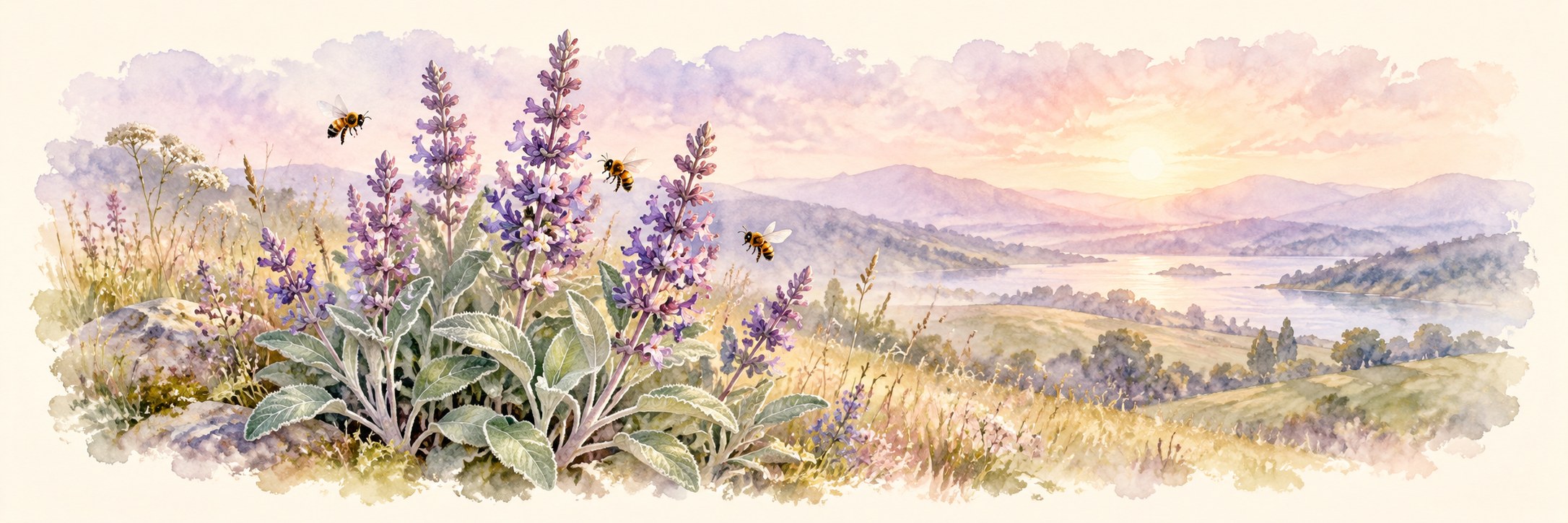
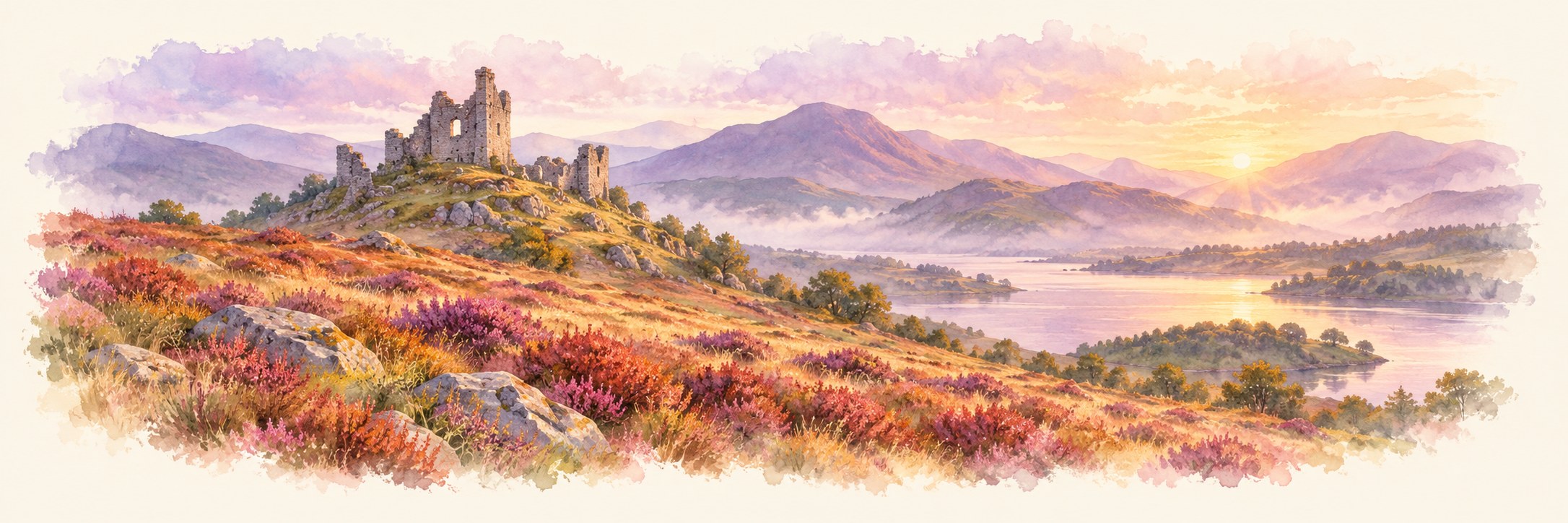
Take the names we have written up in full and say them out loud: Wren, Rowan, Sage, River. Each one is a tiny picture. A wren is a small songbird with a loud and often complex song, and old European stories crowned it king of the birds after it hid in an eagle’s feathers and flew higher still. A rowan is the tree whose berries turn from green to scarlet as summer slips into autumn, and Scottish farmers once carried its branches into the cowshed each May to protect their cattle. Sage is the grey-green herb on the kitchen shelf, and also the word for someone wise. River is water, always on its way somewhere.
Maybe that is the quiet charm. A name this short paints its picture in a single breath, and a parent can see it before another word is said. Not every riser comes from nature, of course. Charlie, Eden and Tatum are not nature words at all, yet they share the same short, friendly sound. The numbers agree: the names that grew average 5.1 letters, against 5.7 for the unisex names that fell, and 12 of the 19 risers have five letters or fewer.
They also began small. The typical riser had about 1,000 babies in 2015 and has since passed 2,500, so a name that was rare a decade ago can still feel like a find. And sometimes a story gives a name a push. In 1999, 59 baby girls in the United States were named Rory. Gilmore Girls premiered in October 2000, and by 2003 the number was 234. The timing lines up.
It is easy to imagine a family reading this list and stopping at one name: short, simple, a little uncommon, and right for a boy or a girl. If that sounds like you, start here.
Before you choose one of these names
A name that looks perfect on a list still has to live in the real world. Here are four small tests to try before you decide.
- Check the spelling you will actually write. In 2025, Rowan was spelled Rowen for 772 babies and Rowyn for 480, and Sage became Saige for 699. None of these is wrong, but the one you pick is the one every form and name tag will print for years.
- Listen for the lean. Some risers go mostly to one gender: Remi and Eden to girls about 86% of the time, Rowan to boys about 81%. If you want a name that feels neutral to everyone, look near the even split, with names like Charlie, Tatum and Rory.
- Decide how rare you want it to stay. The more a name climbs, the more classmates it may find, and a few of the risers have already passed their peak. A name that is rising fast today may feel a little less new in a few years. Only you can say whether that matters.
- Say it out loud with your surname. A short name like Wren or Rory leaves room for a longer middle name, and a longer name sits comfortably beside a short one. The right one is usually the one you stop noticing.
Questions parents ask about unisex names
Can a name be unisex and still lean toward one gender?
Yes, and most do. Of the 19 rising names, only 5 are close to an even split, while 8 go mostly to girls and 6 mostly to boys. About 6 in 100 American babies born in 2025 received a widely used name that is shared this way.
Which unisex names are rising the fastest?
By growth since 2015, Palmer (+397%), Sutton (+324%) and Noa (+263%) lead, though they started from small numbers. Among the names given to the most babies, the biggest risers are Rowan, Charlie and River.
Is Rowan a boy’s name or a girl’s name?
Both, but mostly a boy’s name. In 2025 about 81% of babies named Rowan were boys and 19% were girls. It ranks number 59 for boys and number 249 for girls.
Which unisex names are shared most evenly between boys and girls?
Tatum comes closest, with 49% girls and 51% boys. Next are Shiloh (47% girls), Charlie (47% girls) and Rory (43% girls).
Are old favorites like Logan and Avery still used?
Yes. Each is still given to more than 6,000 babies a year. They have simply slipped from the very top of the fashion list, which for many families is part of the appeal.
Will these names keep climbing?
Nobody can promise that, but the recent numbers give clues. Seven of the 19 risers slipped last year. Wren and River peaked in 2022 and Sage peaked in 2023, while Rory is still climbing for both girls and boys. If you love a name, a small dip or rise matters far less than how it sounds in your own home.
How this list is built
We want you to be able to trust these numbers, so here is exactly how this page works. Nothing on it is hand-picked.
- Source
- The US Social Security Administration’s national baby name files, built from Social Security card applications for births in the United States. SSA national baby name data.
- Data year
- Births through 2025. New data arrives each May, and we recalculate the whole page then.
- Dates
- Published October 2026. Last updated October 2026.
- Unisex
- The less common gender is at least 10% of the babies with that name in 2025, and the name has at least 1,500 babies that year. We call a name balanced when neither gender is above 65%.
- Rising
- The name grew 25% or more since 2015, starting from at least 300 babies, so a tiny starting number cannot make a small change look huge. Girls and boys are added together.
- Share chart
- Babies given a unisex name divided by all US babies born that year, counting every name with at least 500 babies. The lower line counts balanced names only.
- Ranks
- “Overall rank” adds boys and girls together. A name’s own page shows girls and boys separately, so the numbers differ by design.
- Why these five
- The cards show the rising names given to the most babies in 2025.
- Limitations
- These are US births only. The files record the sex shown on the application, which says nothing about how a child later identifies. Names given to fewer than five babies in a year are left out, and spelling variants are counted as separate names.
Names in this story
Each of these has its own page, with its meaning, ten years of rankings and where it is most popular.
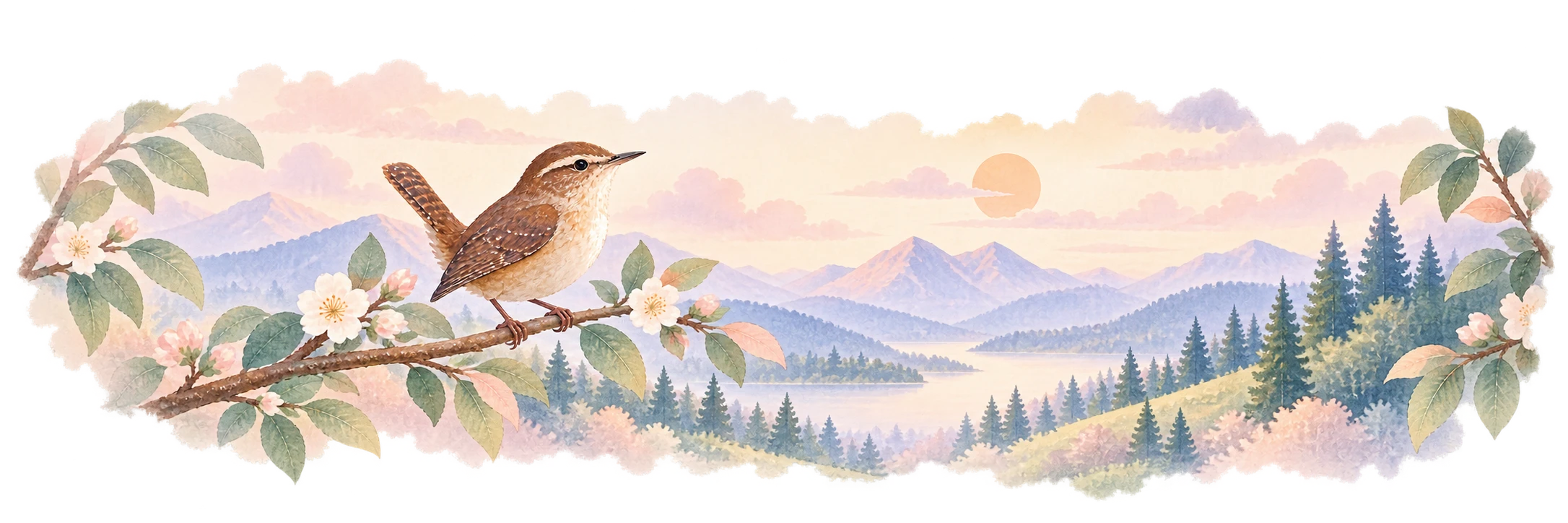
Wren
A tiny songbird with a big voice
#231 for girls, 2025
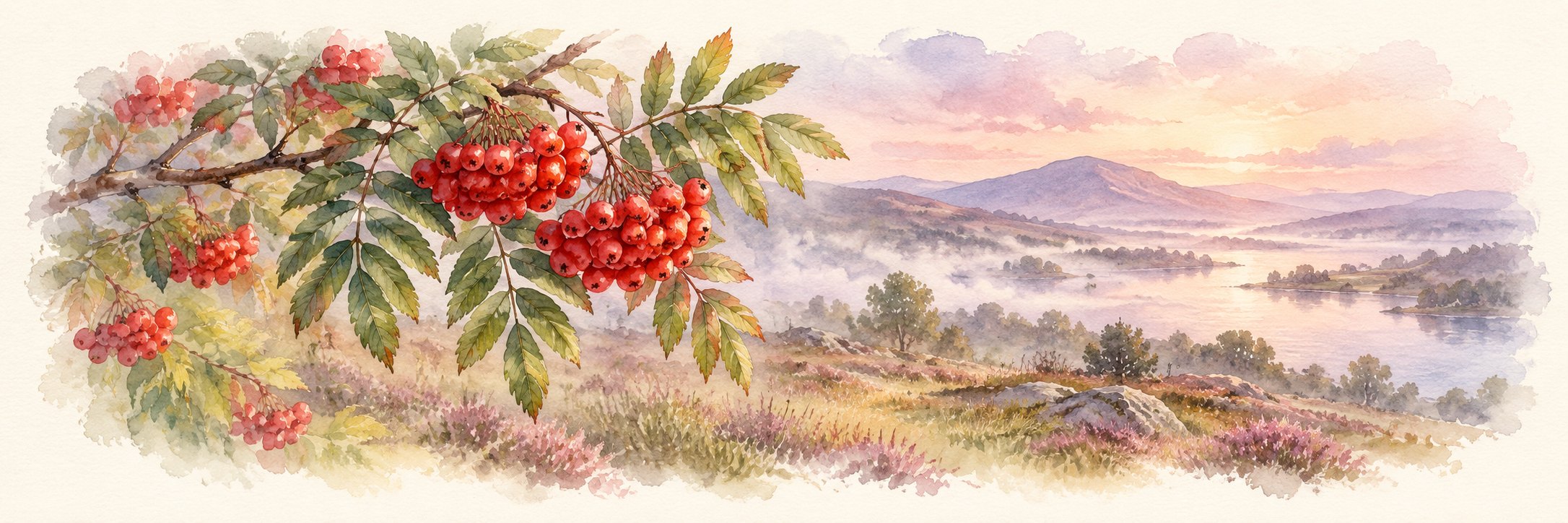
Rowan
Two roads to one name: an Irish “red” name and a berry-bearing tree
#59 for boys, 2025
River
The English word for a flowing stream
#111 for boys, 2025
Sage
An English word for a wise person, and a herb
#160 for girls, 2025
Rory
A Gaelic name meaning “red king”
#199 for boys, 2025